
Luxury Vinyl Plank &Laminate Flooring in Dallas, TX
Transform your Dallas home with stunning Luxury Vinyl Plank (LVP) & Laminate Flooring from 1JoseFlooring. We deliver exceptional quality, transparent pricing, and reliable installation, ensuring your new floors are both beautiful and durable. Experience seamless project management and clear communication from start to finish.
Expert LVP & Laminate
Transparent Pricing
Dallas Local Experts
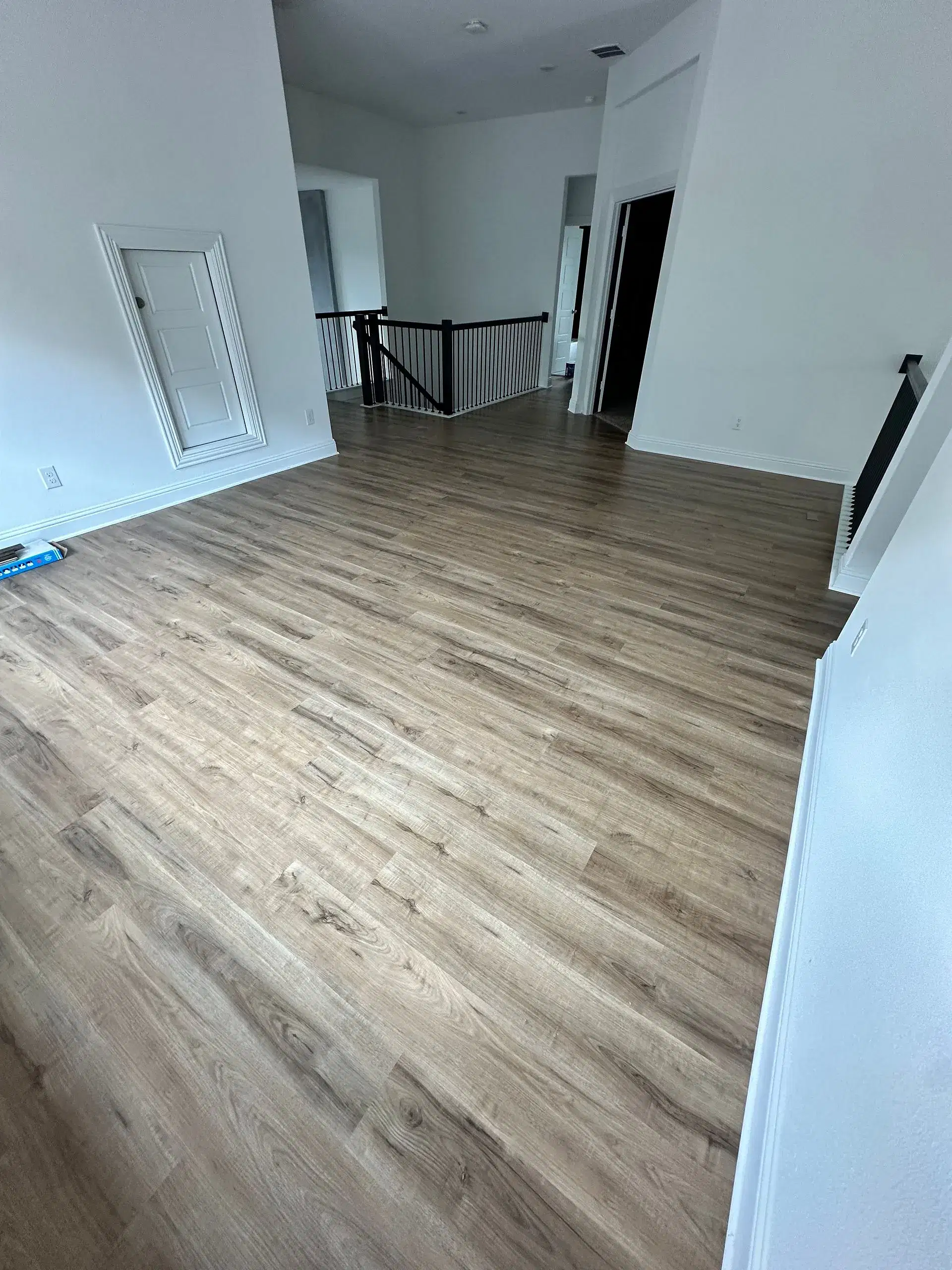
Why Choose 1JoseFlooring for Your LVP & Laminate?
Choose 1JoseFlooring for your LVP and laminate needs because we prioritize what matters most to Dallas homeowners: transparent pricing, high-quality workmanship, and clear communication. Unlike larger firms, we offer personalized service, ensuring meticulous attention to detail and proactive budget management from start to finish. With our deep understanding of Dallas's unique styles and a proven track record since 2015, we deliver durable, beautiful flooring solutions that enhance your home's value and stand the test of time. We're the trusted choice for 'home renovation Dallas TX' and 'remodeling contractor near Preston Hollow Dallas' searches.
Benefits
Experience the 1JoseFlooring Difference for Your LVP & Laminate
Transform your Dallas home or business with the beauty and resilience of Luxury Vinyl Plank (LVP) and Laminate Flooring. At 1JoseFlooring, we understand that you prioritize quality, reliability, and value.
Our expert team delivers stunning, durable, and easy-to-maintain flooring solutions that elevate your space and stand the test of time.
Stunning, Durable Floors
Achieve the sophisticated look of hardwood or tile without the high cost or maintenance. Our LVP and laminate options offer exceptional durability, resisting scratches, dents, and moisture, perfect for busy Dallas homes and businesses.
Expert, Efficient Installation
Our skilled team ensures a flawless installation, minimizing disruption to your daily routine. We handle every detail with precision, from subfloor preparation to the final plank, guaranteeing a beautiful and long-lasting finish.
Easy Care, Lasting Value
Enjoy beautiful floors that are incredibly easy to clean and maintain, saving you time and effort. Our LVP and laminate solutions provide lasting value, enhancing your property's appeal and standing up to the Texas-sized demands of daily life.
Reviews
What Our Clients Say
At 1JoseFlooring, our Dallas clients consistently praise our reliability, high-quality workmanship, and transparent pricing. We understand these priorities are crucial for your LVP and laminate flooring projects. Read on to discover why our positive references and reputation make us the trusted choice for transforming homes and businesses across the DFW Metroplex.
Thomas Guerrero
Karlis Kelley
Don & Diane Clemens
Christy Perkins
Sai Kumar
Mike
Rayane Leite
Ratna Jalla
Terry Schmitt
Paul Rans
Jennifer Morales
Robert Craig
Carol Wilson
Brian Hurley
Seth Baer
What to expect
Our Streamlined Flooring Process
Our LVP and laminate flooring process in Dallas is designed for clarity and efficiency, ensuring your project is handled with utmost professionalism. We focus on transparent communication and superior craftsmanship, delivering beautiful, durable floors that enhance your space.
Experience a smooth, worry-free renovation from start to finish.
01
Initial Consultation
We begin with a detailed on-site consultation to understand your vision for LVP or laminate flooring. We'll discuss styles, budget, and project scope, ensuring we address all your questions about local Dallas projects.
02
Transparent Proposal & Design
Next, we provide a clear, itemized proposal and help you select the perfect LVP or laminate. We'll outline payment schedules and manage any necessary permits, ensuring cost-effectiveness and no surprises.
03
Expert Installation
Our skilled team handles your LVP or laminate installation with precision. We ensure quality workmanship, manage the project budget, and communicate progress, minimizing disruption to your Dallas home or business.
04
Final Walkthrough & Warranty
Upon completion, we conduct a thorough walkthrough to ensure your complete satisfaction. We stand by our work with a strong warranty, providing peace of mind and positive references for your new, beautiful flooring.
Serving Dallas & The DFW Metroplex with Pride
As your trusted general contractor, we're deeply rooted in Dallas, TX, and proud to serve the entire DFW Metroplex. From Uptown to Highland Park, we understand the unique character of each neighborhood. Our commitment is to deliver top-notch Luxury Vinyl Plank & Laminate Flooring solutions, ensuring every project reflects our local expertise and dedication to quality.
Dallas, Texas
McKinney, TX, USA
Sherman, TX, USA
Fort Worth, TX, USA
Denton, TX, USA
Dallas, TX, USA
Waxahachie, TX, USA
Greenville, TX, USA
Gainesville, TX, USA
Burleson, TX, USA
Mesquite, TX, USA
Royse City, TX, USA
DeSoto, TX, USA
Lewisville, TX, USA
Keller, TX, USA
Azle, TX, USA
Frisco, TX, USA
Plano, TX, USA
Irving, TX, USA
Grand Prairie, TX, USA
Arlington, TX, USA
Mansfield, TX, USA
Midlothian, TX, USA
Cleburne, TX, USA
Allen, TX, USA
Carrollton, TX, USA
Rockwall, TX, USA
Sachse, TX, USA
White Settlement, TX, USA
Benbrook, TX, USA
Frequently Asked Questions
Have questions about Luxury Vinyl Plank (LVP) or Laminate Flooring for your Dallas home or business? You're in the right place! We've compiled answers to frequently asked questions to provide clarity and confidence. Explore our FAQs to learn more about our process, materials, and commitment to quality and cost-effectiveness.
We specialize in LVP and laminate flooring installations across Dallas, Fort Worth, and the wider DFW Metroplex. Our team has extensive experience with various residential and commercial projects, ensuring a seamless and durable finish for your space. We understand the unique needs of Dallas homes, from modern Uptown condos to traditional Ranch-style houses.
Yes, 1JoseFlooring is fully licensed and insured to operate as a general contractor in Texas. We adhere to all local Dallas building codes and regulations, ensuring every LVP and laminate flooring installation is completed safely, legally, and to the highest industry standards. Your peace of mind is our priority.
The timeline for LVP or laminate flooring installation varies based on project size and complexity. Typically, a standard room can be completed in 1-2 days. We provide a detailed project schedule upfront and maintain clear communication, keeping you updated on progress and any potential delays to ensure timely completion.
We offer a comprehensive warranty on all our LVP and laminate flooring installations, covering both materials and workmanship. Our commitment to quality means you can trust in the durability and longevity of your new floors. We stand behind our work, ensuring your satisfaction for years to come.
Our payment schedule typically requires a 60% deposit upfront for materials, with the remaining balance due upon completion. For any unexpected costs or changes, we discuss them transparently with you and adjust the quote as needed, ensuring cost-effectiveness and no surprises. We also offer financing through Wisetack.
Book Now
Dallas LVP & Laminate Flooring Experts
Considering new LVP or laminate flooring in Dallas? Get transparent pricing, timely installation, and a durable, beautiful finish that enhances your home's value. Our licensed team ensures quality, from initial consultation to final walkthrough. Don't delay your dream floor!